July 27, 2021
During the District’s 60-year history, new laws established through the decades have helped the District protect water quality and natural systems. Here’s a look at some of the key legislation and programs established:
Save Our Rivers: The program, established in 1981, allowed the District to acquire lands for the purposes of water management, supply and protection. The first major land acquisition using Save Our Rivers funding was the Green Swamp West property. The protection of this corridor has
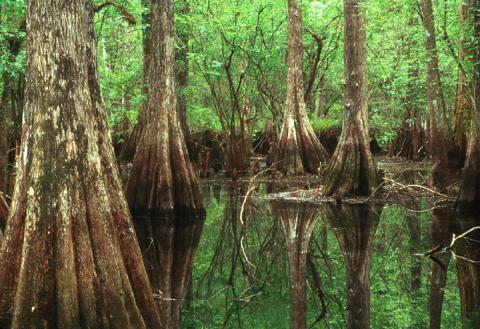
been vital because of the land’s ability to slow the flow of floodwaters, sustain rivers and streams, and store surface water.
Water Quality Assurance Act: The passing of this act in 1983 gave water management districts additional responsibilities including plugging all known abandoned artesian wells. This new District responsibility had a major impact on the state’s water quality because these abandoned wells were often a source of water contamination by allowing poor quality water from lower aquifers to invade drinking water of the Upper Floridan aquifer. The plugging of these wells led to cleaner drinking water for District residents.
Wetlands Protection Act: This 1984 legislation formally recognized the value wetlands have in protecting water quality and preserving the state’s natural habitat. As a result of the act, District staff began to regulate activities that impact the wetlands, which eventually led to the development of the District’s current Environmental Resource Permitting program.
SWIM Act: In 1987, the Florida Legislature passed the Surface Water Improvement and Management (SWIM) Act to protect, restore and maintain
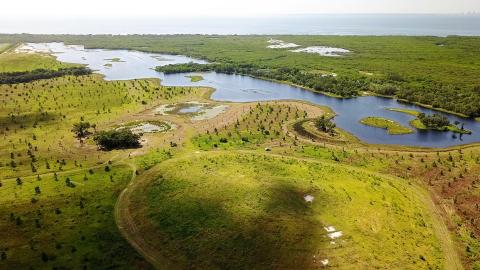
Florida’s highly threatened surface water bodies. The District’s SWIM program evaluates priority water bodies, identifies potential problems and implements projects to improve their water quality or habitat. Since the program’s start, 375 water quality and natural systems restoration projects have been completed or are ongoing.
Clean Waterways Act: This 2020 legislation gives state agencies authority to address water quality and water supply issues affecting Florida’s waterbodies. This legislation included additional regulation of septic tanks as a source of nutrients, updated stormwater rules and increased exploration of potable reuse as an alternative water supply.
Photo credits: Southwest Florida Water Management District. See more
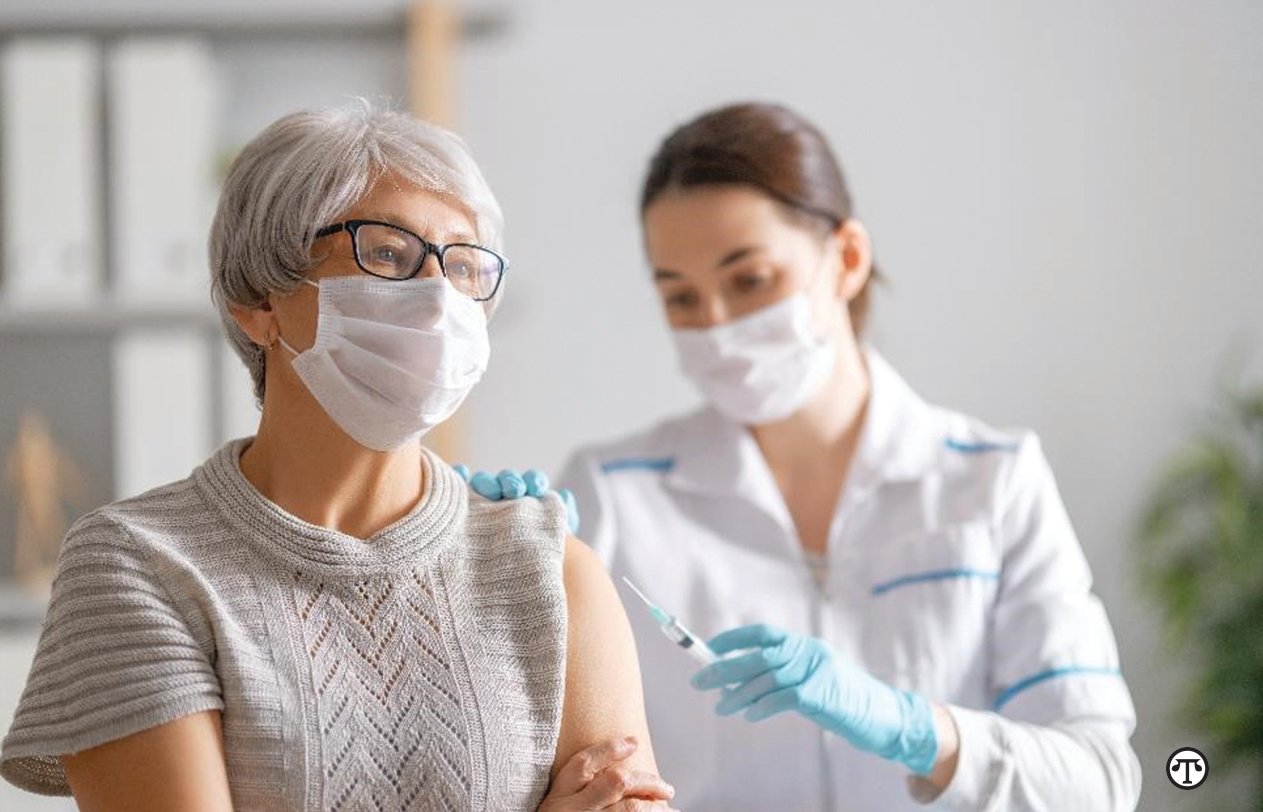 (NAPSI)—With the three new COVID-19 vaccines widely available, millions of Americans have been encouraged to get vaccinated. The Centers for Disease Control and Prevention (CDC) reports that, as of July 2021, 47% of the total U.S. population is now fully vaccinated and over 182 million Americans have received at least one dose. This effort has helped reduce the number of COVID-19 cases and deaths.
But people with diabetes may have questions about COVID-19 vaccines, including whether they should get vaccinated and whether the vaccines are safe. If you have diabetes, here is what you need to know:
•People with diabetes should get vaccinated. About 40% of people who died from COVID-19 from February to April 2020—before COVID-19 vaccines were publicly available—had diabetes. People with type 1 or type 2 diabetes often have complications including heart disease and obesity, which means people with either type of diabetes are at a much higher risk of developing severe illness if they were to get COVID-19. One of the best ways to avoid becoming seriously sick with COVID-19 is to get vaccinated.
•The three COVID-19 vaccines are safe for people with diabetes. The available vaccines are not made from SARS-COV-2, the coronavirus that causes COVID-19, so there is no risk of getting sick with COVID-19 just from getting the vaccine. People with diabetes were included in COVID-19 vaccine clinical trials across the United States and other countries, and none of the trials reported significant safety issues among study participants.
•Continue monitoring your blood glucose regularly after being vaccinated. In some individuals, the vaccine may cause possible side effects that can be similar to feeling sick, such as chills, fever, and nausea. People with diabetes should speak with their health care professional about this and how to monitor their blood glucose levels following COVID-19 vaccination. Continue reading
 (NAPSI)—In these uncertain times, kids need music more than ever. Anyone who has ever seen toddlers naturally sway and bob to music, knows that children feel music—and that music and kids go together like macaroni and cheese. Studies also show that music can help the very young deal with stress and turn around their emotions like nothing else.
Tunes For Toddlers
To that end, Walt Disney Records’ most successful lullaby album artist and producer, Grammy nominee Fred Mollin, created “It’s Great To Be a Kid,” a new album of heartwarming, fun original songs for kids ages 1 through 6. These songs take children on a musical expedition highlighting the beautiful things in life, reminding them how much joy there is to look forward to in their young lives at a time when they need it most.
The songs evoke the simple pleasures of being young, driving in a car, walking and seeing the beauty of nature, playing with friends, dancing to an upbeat song, the joy of food and even the fun of helping tidy up the house. Three interactive Bonus Tracks are versions that leave key moments blank during the songs, for children to join in.
Learn More
For further information, visit www.melodyplacemusic.com and www.fredmollin.com.
 (NAPSI)—There are certain aspects of the COVID-19 pandemic that many Americans may not have thought about. For example, one area that saw a sharp decline was volunteerism—placing heavy burdens on nonprofit organizations that rely on the compassion of their volunteer forces.
According to a recent research survey by Fidelity Charitable, a nonprofit organization created by Fidelity Investments, two-thirds of all U.S. volunteers had either decreased volunteer hours or stopped volunteering altogether because of the pandemic.
Volunteer to Help Veterans
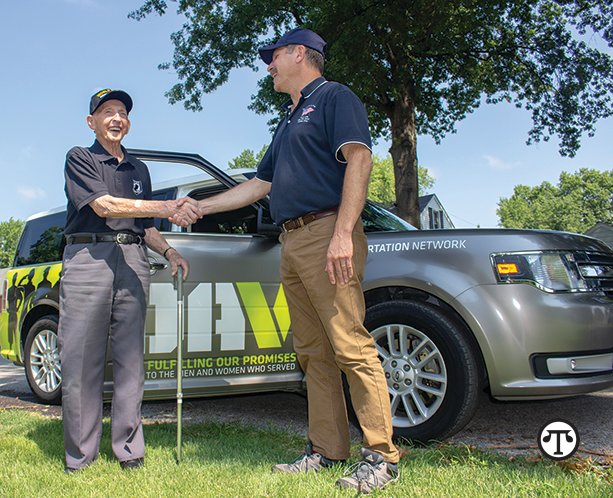
One nonprofit feeling the effects is DAV (Disabled American Veterans) and its Transportation Network, which has helped get veterans to and from medical appointments since 1987, when the government-run system was shut down. The nationwide DAV Transportation Network provides no-cost rides to veterans who need help getting to their Department of Veterans Affairs (VA) medical centers and clinics. Prior to 2020, volunteer drivers spent more than one million hours and logged over 20 million miles, providing more than 600,000 rides for veterans each year.
“We’ve seen a major decline over the past year in volunteer support across all of our programs,” said John Kleindienst, Director of Voluntary Services at DAV. “For our aging veteran population, getting to and from critical care appointments is a growing concern and without volunteers, many veterans have no way to access their health care or get other much needed support.” Continue reading
 (NAPSI)—While most American adults have already received at least one dose of a COVID-19 vaccine, a lot of people still have questions. Everyone deserves to have access to factual information to make a decision about getting vaccinated. But many people don’t know where to go to get their questions answered.
For most people who want more information, talking to their personal doctor is the best place to start. Your doctor or health team will know you and your medical situation better than anyone. They can help you make an informed decision that’s right for you.
When talking with your doctor, there are a few key questions you may want to consider:
Vaccine Questions:
1.Why did your doctor choose to get vaccinated? Over 90% of doctors have decided to get vaccinated against COVID-19. You may want to hear more about why they chose to get vaccinated as a healthcare provider. Continue reading
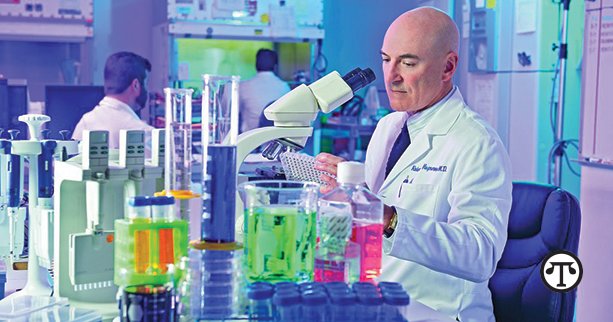 (NAPSI)—Over 1.8 million Americans are diagnosed with cancer every year according to the American Cancer Society. If you or someone you care about is diagnosed with cancer you may be relieved to know there are techniques available that can improve your likelihood of response and survival by using your cancer cells to select the most effective drugs before you receive them.
What Can Help
The process is called functional profiling, which analyzes living cancer cells from a patient to find out the drugs, combinations and sequences that are the most effective and least toxic for each individual. It’s particularly helpful in treating cancers that have been considered “untreatable,” such as pancreatic cancers, advanced lung and recurrent breast cancers.
Why It Works
Cancers arise from cells that have learned certain tricks to enhance their survival. In so doing they outlive their normal counterparts. These transformed cells interact directly with their micro-environment. Cancer cells “talk” to each other and to all the surrounding immune cells, blood vessels and structural elements using chemical signals such as growth fac- tors and metabolic byproducts. Blood vessels, immune cells and connective tissues all participate and promote the cancer process. Continue reading
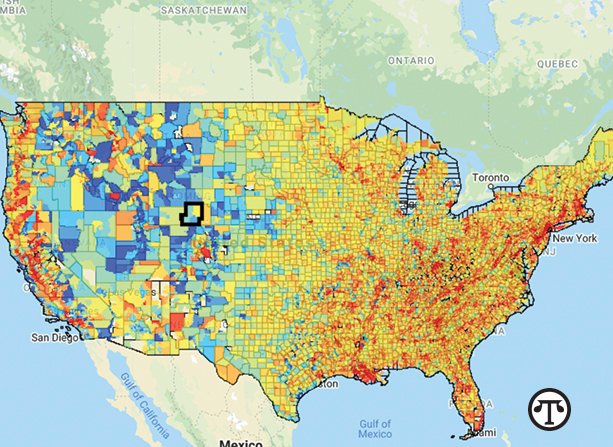 (NAPSI)—Nationwide, in both major cities and small towns, neighborhoods with more Black, Hispanic and Asian residents experience hotter temperatures during summer heatwaves than nearby white residents, regardless of a neighborhood’s income.
These racial disparities exist because non-white neighborhoods tend to be more densely built up with buildings and pavement that trap heat, and have fewer trees to cool the landscape, according to the nationwide study in the AGU journal Earth’s Future, which publishes interdisciplinary research on the past, present and future of the planet and its inhabitants.
The trend held up even when wealth was taken out of the picture. When residents had a similar income, non-white neighborhoods still faced significantly higher temperatures than white ones in 71% of the counties.
“Urban climate is different from temperatures outside the city,” explained the study’s co-author Susanne Benz, an environmental scientist who conducted this research at the University of California, San Diego and is now at Dalhousie University. “Inside the city, temperatures are affected by the buildings surrounding you and by the surface of the streets.” Dark pavement absorbs sunlight and releases the heat at night, while trees and other vegetation cool an area through transpiration, when they release water vapor through pores in the leaves. Continue reading
TALLAHASSEE, Fla.—Attorney General Ashley Moody is suing Google for illegally and unfairly maintaining a monopoly on the app store for Android devices. Google allegedly uses exclusionary conduct relating to the Google Play Store for Android mobile devices and Google Billing. This antitrust lawsuit is the newest legal action against the tech giant, claiming anticompetitive, illegal and unfair business practices. The suit accuses Google of using its dominance to unfairly restrict competition with the Google Play Store, harming consumers by limiting choice and driving up app prices. Attorney General Moody joins a coalition of 37 attorneys general in filing the lawsuit.
Attorney General Ashley Moody said, “Time and time again, we have seen Google use its power in the tech industry to unscrupulously exploit the marketplace. Google’s manipulation of app distribution on Android devices forces consumers into using Google’s services to purchase apps—resulting in a 30% commission charge on in-app payments.
“The tech giant’s monopoly on Android app purchases significantly hinders other in-app payment processors from entering the marketplace, leaving consumers with no other options when seeking to download apps. We will not allow Google to continue to monopolize an entire sector—eliminating competition and harming consumers.” Continue reading
TALLAHASSEE, Fla.—In the midst of the 2021 Atlantic Hurricane Season, Attorney General Ashley Moody traveled to Osceola County to highlight the No Scam Price Gouging Reporting App that is available in both English and Spanish. At a news conference hosted by the Osceola County Sheriff’s Office, Attorney General Moody highlighted the first-of-its-kind app that allows consumers to report allegations of price gouging during a declared state of emergency in real time directly to the Attorney General’s Office. The app allows users to attach pictures and copies of receipts directly from smartphones when reporting suspected price gouging.
Attorney General Ashley Moody said, “The No Scam app has helped thousands of consumers report outrageous price increases during declared states of emergency, in English and Spanish. As this year’s hurricane season is already underway, I am encouraging all Floridians to download this free app to be ready to help us fight price gouging.” Continue reading
TALLAHASSEE, Fla. – Governor Ron DeSantis, Lt. Governor Jeanette Nuñez, Chief Financial Officer Jimmy Patronis, Florida Division of Emergency Management (FDEM) Director Kevin Guthrie, Surfside Mayor Charles Burkett and Miami-Dade County Mayor Daniella Levine Cava are at the Surfside Building Collapse site to receive a briefing of the situation, tour site damage and coordinate state resources.
Early this morning, the State Watch Office received a report regarding the collapse of the Champlain Towers South building in Surfside. Local fire rescue teams immediately responded and began search and rescue efforts.
Governor DeSantis hosted a press conference on the site to provide an update about the disaster and ongoing state response efforts. Remarks from Governor DeSantis and FDEM Director Kevin Guthrie are available.
State response efforts include:
FDEM has deployed State Emergency Response Team personnel to assist response teams. Continue reading